The landscape of video content creation has been revolutionized by artificial intelligence. In 2025, creators have access to sophisticated tools that can generate professional-quality videos from simple text descriptions, dramatically reducing production time and technical barriers. This comprehensive guide explores the leading AI video generation platforms, their capabilities, and practical applications for content creators at every level.
Understanding AI Video Generation Technology
AI video generation leverages advanced machine learning algorithms, particularly deep neural networks, to create video content. These systems have been trained on vast datasets of existing video content, learning patterns, visual styles, and motion dynamics. Modern platforms can transform text prompts into complete videos, including visuals, animations, transitions, and even synthesized voiceovers.
The technology behind these tools combines several AI disciplines: computer vision for visual generation, natural language processing for understanding text prompts, and generative adversarial networks for creating realistic imagery. This convergence has made it possible for users without technical video editing skills to produce engaging content quickly and efficiently.
Leading AI Video Platforms
Several platforms have emerged as industry leaders in AI-powered video generation. Each offers unique features and capabilities suited to different use cases and skill levels.
Text-to-Video Generators
Text-to-video platforms represent the most accessible entry point into AI video creation. Users input descriptive text, and the AI generates corresponding video content. These tools excel at creating explainer videos, social media content, and educational materials. The best platforms in this category offer extensive customization options, allowing users to refine style, pacing, and visual elements.
Advanced text-to-video systems now include features like automatic scene composition, intelligent camera movements, and context-aware visual selection. They can interpret complex narratives and translate them into coherent visual sequences, making professional-quality video production accessible to individuals and small businesses.
AI Video Editing Assistants
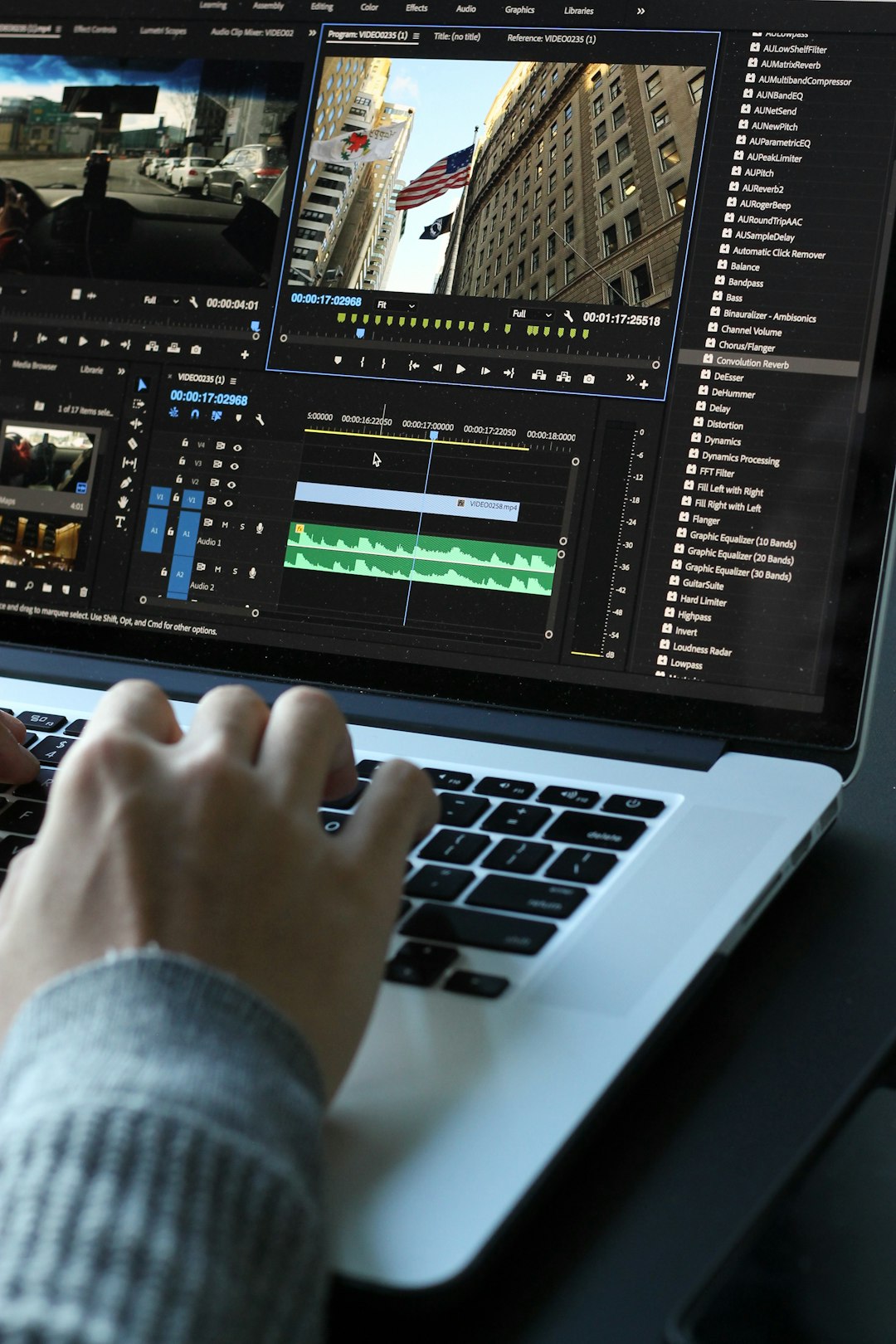
Another category of tools focuses on enhancing existing video footage through AI automation. These platforms can automatically cut footage, add transitions, synchronize audio, and even suggest optimal pacing based on content analysis. They're particularly valuable for creators working with raw footage who need to streamline their editing workflow.
Features often include automatic subtitle generation, intelligent background music selection, and smart cropping for different aspect ratios. Some advanced systems can even analyze video performance data to suggest edits that improve viewer engagement and retention.
Key Features to Consider
When evaluating AI video generation tools, several factors determine their practical value and suitability for specific projects.
Output Quality and Customization
The quality of generated video varies significantly between platforms. Look for tools that produce high-resolution output with smooth animations and natural-looking visual elements. Customization capabilities are equally important – the ability to adjust color schemes, animation styles, and visual themes ensures your content maintains a consistent brand identity.
Ease of Use and Learning Curve
The best AI video tools balance power with accessibility. Platforms with intuitive interfaces and clear documentation enable faster learning and more efficient content production. Consider whether the tool offers templates or presets for common video types, which can significantly accelerate the creation process for standard content formats.
Integration and Export Options
Practical workflow integration matters greatly for professional use. Evaluate how well the platform integrates with other tools in your content creation pipeline. Export options should include multiple formats and resolutions suitable for various distribution channels, from social media platforms to professional broadcasting.
Practical Applications
AI video generation tools serve diverse purposes across different industries and content types. Understanding these applications helps in selecting the right platform for your needs.
Marketing and Social Media
Marketers use AI video tools to rapidly produce social media content, product demonstrations, and advertising materials. The ability to quickly generate multiple video variations enables effective A/B testing and personalized content strategies. AI-generated videos maintain consistent quality while allowing high-volume production that would be impractical with traditional methods.
Educational Content
Educators and e-learning professionals leverage these tools to create engaging instructional videos, animated explanations, and course materials. AI video generation makes it economically feasible to produce visual content for every lesson, enhancing learning outcomes through multimedia engagement.
Business Communication
Organizations use AI video tools for internal communications, training materials, and presentation videos. The technology enables non-technical staff to create professional video content without requiring dedicated video production resources, democratizing visual communication across the enterprise.
Best Practices for AI Video Creation
Maximizing the potential of AI video tools requires understanding both their capabilities and limitations. Effective use combines AI automation with human creative direction.
Crafting Effective Prompts
The quality of AI-generated video depends heavily on input prompts. Detailed, specific descriptions produce better results than vague requests. Include information about desired mood, visual style, pacing, and key visual elements. Experiment with different prompt structures to understand how your chosen platform interprets instructions.
Iterative Refinement
Treat AI video generation as an iterative process. Generate initial versions, evaluate results, and refine your approach based on output. Most platforms allow progressive refinement, where you can adjust specific elements without regenerating the entire video. This workflow balances efficiency with creative control.
Combining AI with Human Creativity
The most effective approach uses AI as a powerful tool within a human-directed creative process. Let AI handle time-consuming technical tasks like animation and visual generation, while maintaining human oversight for creative decisions, narrative structure, and quality control. This collaboration produces content that's both efficiently created and genuinely engaging.
Future Developments
AI video generation technology continues to evolve rapidly. Emerging capabilities include more sophisticated understanding of narrative structure, improved photorealism in generated imagery, and better integration of audio elements. Future tools will likely offer even more intuitive interfaces and greater creative control, further lowering barriers to professional video production.
As these technologies mature, we can expect broader adoption across industries and content types. The distinction between AI-generated and traditionally produced video content will continue to blur, as quality and versatility improve. Staying informed about new developments and continuously experimenting with emerging tools will be essential for content creators looking to maintain competitive advantages.
Conclusion
AI video generation tools have fundamentally changed what's possible in content creation. They enable individuals and small teams to produce video content at scales and quality levels previously requiring substantial resources and technical expertise. By understanding the available platforms, their capabilities, and best practices for their use, creators can leverage these powerful tools to enhance their content strategies and reach wider audiences with engaging visual narratives.
The key to success lies in viewing AI as a collaborative partner rather than a replacement for human creativity. The tools handle technical complexity and time-consuming production tasks, freeing creators to focus on strategy, storytelling, and connecting with their audiences. As you explore these platforms, experiment extensively, learn their strengths and limitations, and develop workflows that integrate AI capabilities into your unique creative process.